From one room to a K–12 family.
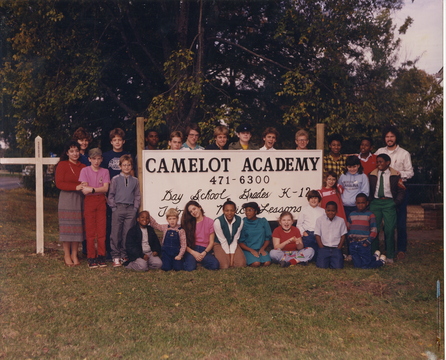
Thelma DeCarlo-Glynn founded Camelot in 1982 with 19 students, and she still leads the school today.

Why families choose Camelot
Six things you'll notice on your first visit.
Mastery first
Students move on once they've truly learned something, following Benjamin Bloom's mastery model.
A plan for every child
Each fall, teachers write a Progress Plan covering strengths, needs and how each student learns best.
Parents on the team
Families, students and teachers meet at fall conferences and stay in touch all year.
Teachers students love
Faculty average 19 years of experience. Ask students what they value most, and they say their teachers.
Mornings together
Every day starts with Morning Meeting, when the whole school celebrates birthdays, visitors and college acceptances.
Recognized standards
Accredited by NIPSA and approved by the State of North Carolina, so credits transfer anywhere.
- 128students, K–12
- 11average class size
- 10:1Upper School student–teacher ratio
- 19full-time teachers
Our story
Thelma had worked with gifted students at Johns Hopkins and Duke. She asked why every child shouldn't learn that way.
- 1982
Camelot opens as a one-room schoolhouse with 19 students.
- 1990
The school buys its permanent home, the historic Foushee house near downtown Durham.
- Today
A fully accredited K–12 school of about 128 students. Graduation is held at the Carolina Theatre.

A 1910s home, minutes from downtown.
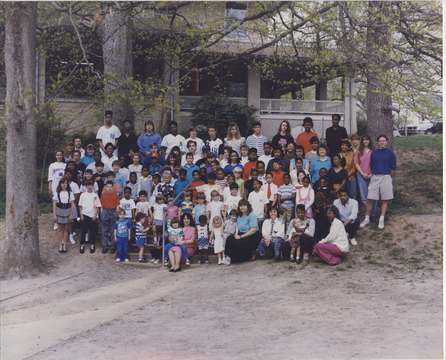
Our main campus is the former home of Judge Howard Foushee in the Morehead Hill neighborhood. It doesn't look like a typical school, and we like it that way.
- Wraparound porches for lunch and study
- Century-old trees shading the playground
- Close to downtown Durham, DPAC and Duke University

A farm, a studio and a robotics lab.
Learning spills well past our three acres.
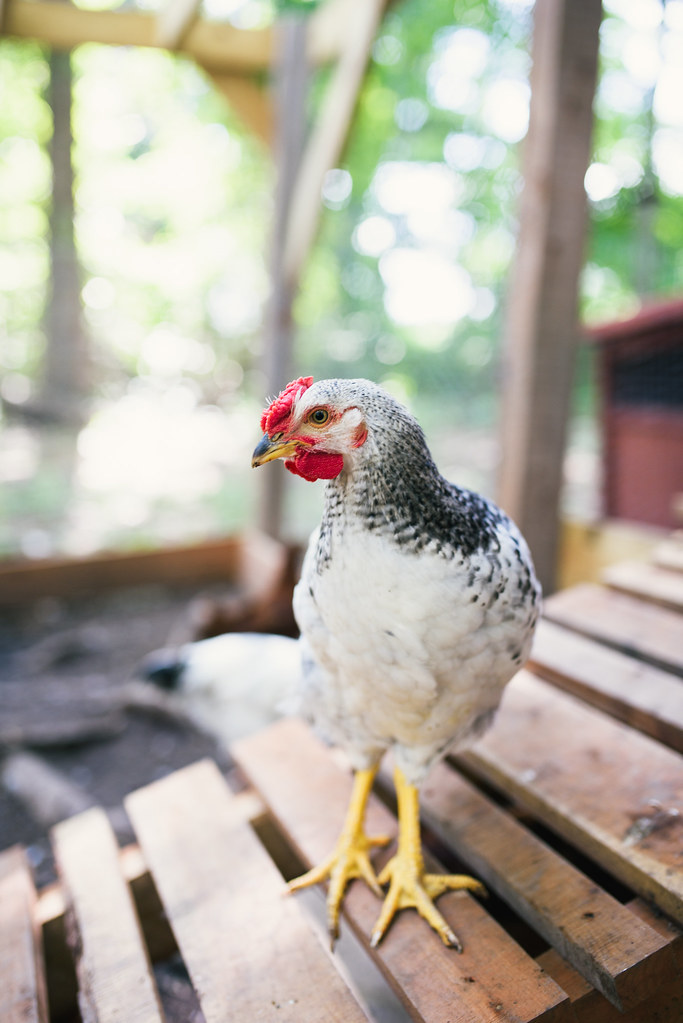
- Camelot Farm in north Durham, with a log cabin, a stocked pond and barnyard animals, and an outdoor classroom for environmental science
- Studio and gym space for music, art, drama and PE
- A robotics lab for FIRST LEGO League and FIRST Tech Challenge teams
Traditions around Durham
Graduation
At the historic Carolina Theatre
Evening of the Arts
At the Hayti Heritage Center
Pie Supper
At the Durham Armory
Academic Fair
With a Thanksgiving Feast at the Durham Convention Center
Two students on life at Camelot
Two international students talk about moving to America, everyday life at school, and taking courses at UNC.
Common questions
Don't see yours? Call 919-688-3040 or email admissions.
How big is Camelot?
About 128 students in grades K–12, with 19 full-time teachers, 4 administrators and 8 part-time arts and wellness instructors (2025–26).
How small are classes?
Eleven students on average. A few are as small as two, and some reach fifteen.
How are the younger grades grouped?
Most K–4 students learn in three multi-age MAPP classrooms (KinderMAPP, Junior MAPP and Senior MAPP), grouped by skill and friendships rather than strictly by age.
Is there a preschool?
The youngest class is Kindergarten. Children need to turn five by the end of December of their kindergarten year. Ask admissions about the full-day Nature Start program.
When do languages start?
In Kindergarten, through songs and games. Latin begins in the Middle Grades, and the Upper School offers Latin and Spanish.
Is there a uniform?
No, but there is a dress code. Torn, suggestive or distracting clothing isn't allowed.
Do students try out for sports?
No. Teams are co-ed and open to grades 6–12. Players come to practice, usually four afternoons a week.
Why does school start with a few closed days?
Teachers use them to review each student's fall assessments and meet with families about Progress Plans. Optional childcare is available for grades K–6.
Why is Camelot a for-profit school?
As a small business with one leader, Camelot has little bureaucracy and can put students first. Our accreditor, NIPSA, works with many independent schools like ours.

Come see it for yourself.
Tours are by appointment, and Zoom or phone sessions are available too.
Book a tour